Vintage Stamp: A Sketch Style Procreate Brush Evaluation
In the digital design landscape, the pursuit of authentic textures often leads creators to specialized tools that mimic traditional media. Vintage Stamp is one such tool, specifically designed as a set of Procreate stamp brushes with a distinct sketch style. For artists, designers, and hobbyists working within the iPad ecosystem, these brushes offer a method to replicate the tactile quality of ink stamps, rubber seals, and hand-drawn sketches without leaving the digital canvas. This evaluation explores the functionality, application, and practical considerations of using Vintage Stamp in creative workflows.
Understanding the Vintage Stamp Toolset
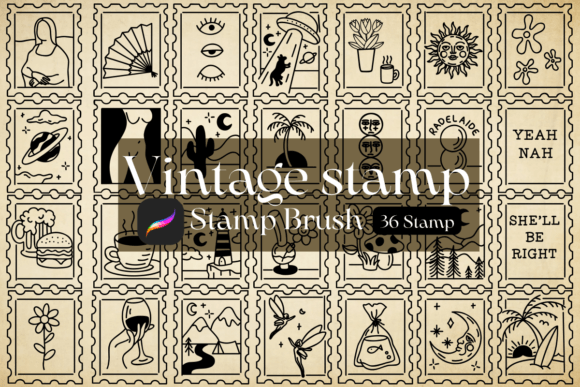
Vintage Stamp is not a single brush but a collection of digital assets tailored for the Procreate application. Unlike standard drawing brushes that require continuous motion to create lines, stamp brushes function by depositing a pre-defined shape or texture with a single tap. The specific aesthetic of this set leans heavily into a "sketch style," characterized by rough edges, uneven ink distribution, and organic imperfections that mimic the look of an old-fashioned rubber stamp pressed onto paper.
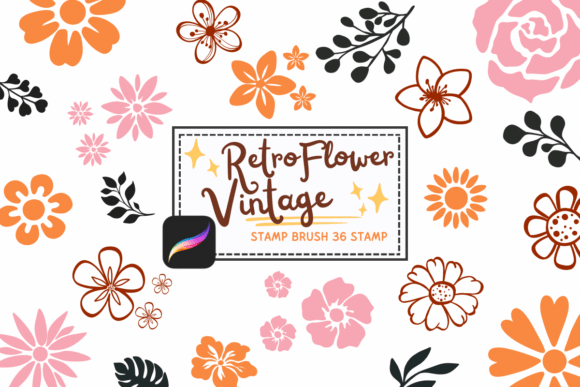
The core utility of these brushes lies in their ability to introduce texture and character quickly. When activated, they allow users to place elements such as floral motifs, geometric patterns, textural backgrounds, or decorative borders instantly. The sketch style ensures that even when repeated, the elements do not appear overly uniform or computer-generated, maintaining a sense of human touch and artistic spontaneity.
Reasons to Consider Vintage Stamp for Your Workflow
Several factors might drive a creator to integrate Vintage Stamp into their project library. The primary motivation is often the desire for efficiency combined with aesthetic authenticity. Achieving a hand-stamped look manually requires significant time and skill; replicating the pressure variations and ink bleed of a physical stamp can be tedious. These brushes condense that process into a single action.
Furthermore, the versatility of the sketch style makes it applicable across various mediums. Whether the goal is to create a rustic wedding invitation, add depth to a logo, or decorate a DIY craft project, the inherent texture of the Vintage Stamp brushes provides an immediate visual language. It bridges the gap between clean vector graphics and messy, organic art, offering a middle ground that appeals to modern design trends favoring imperfection and nostalgia.
Key Benefits and Practical Advantages
- Speed and Efficiency: Complex textures and repetitive patterns can be applied in seconds, significantly reducing production time for projects requiring extensive decoration.
- Consistency with Variation: While each stamp is identical in its base form, the brush settings in Procreate often allow for rotation, scaling, and opacity adjustments. This enables the user to maintain a cohesive theme while avoiding the robotic repetition common in digital design.
- Accessibility: Users do not need to possess advanced illustration skills to achieve a professional, hand-crafted look. The tool handles the complexity of the stroke mechanics, allowing the artist to focus on composition.
- Non-Destructive Editing: Because these are digital assets, mistakes can be undone, layers can be adjusted, and colors can be changed without ruining the physical medium.
Tradeoffs and Considerations
While Vintage Stamp offers clear advantages, it is not without limitations. Understanding these tradeoffs is essential for managing expectations. The most significant consideration is the potential for overuse. Because the brushes are so easy to apply, there is a risk of cluttering a design. A layout filled entirely with stamped textures can become visually noisy and difficult to read, particularly in contexts like wedding invitations where legibility is paramount.
Additionally, the aesthetic is specific. The sketch style is inherently informal and rustic. It may not align with projects requiring sleek, minimalist, or highly corporate aesthetics. Attempting to force a vintage stamp look into a high-tech or ultra-modern brand identity could result in a disjointed visual message. Furthermore, reliance on pre-made stamps can sometimes limit creative exploration. Artists who prefer to draw every element from scratch may find that using these brushes restricts their unique stylistic voice.
Ideal Scenarios for Implementation
Vintage Stamp shines in situations where texture and warmth are desired goals. It is a strong fit for:
- Wedding Invitations and Stationery: The romantic, nostalgic feel of a sketch-style stamp complements floral arrangements, monograms, and date seals perfectly. It adds a layer of elegance that feels personal rather than mass-produced.
- DIY Crafts and Decorations: For those creating digital patterns for fabric, wrapping paper, or wall art, these brushes provide the necessary irregularity to make the final product feel handmade.
- Logo Design and Branding: Brands focusing on artisanal products, bakeries, boutiques, or vintage shops can use these elements to reinforce their narrative of tradition and craftsmanship.
- Journaling and Scrapbooking: Digital planners and scrapbookers often seek ways to mimic physical embellishments. These stamps serve as excellent accents for dates, headers, and mood-setting backgrounds.
When Alternatives May Be Preferable
There are scenarios where choosing Vintage Stamp might not be the optimal decision. If a project demands crisp, scalable vector lines that must remain sharp at any size, a vector-based approach using pen tools or dedicated vector software would be superior. Stamp brushes, being raster-based, can lose clarity if scaled up excessively.
Similarly, if the design brief calls for a futuristic, clean, or strictly geometric aesthetic, the organic messiness of a sketch style stamp will likely clash with the intended tone. In such cases, solid color fills, gradient meshes, or precise line art brushes would better serve the design goals. Finally, if the budget allows for custom illustration, hiring an artist to create bespoke textures might yield more unique results than utilizing a shared brush set, ensuring the design remains entirely distinct from others using the same asset.
Decision-Making Insights for Creators
Determining whether Vintage Stamp aligns with your needs requires a clear assessment of your project's end goal. Before downloading or purchasing, consider the following questions:
Does the project benefit from a "handmade" appearance? If the answer is yes, these brushes are a powerful asset. Is the timeline tight? The speed of stamp brushes can be a decisive factor for deadlines. Does the target audience appreciate vintage or rustic aesthetics? Understanding the viewer's expectation is crucial; a mismatch in style can undermine the effectiveness of the communication.
To get the most out of the tool, experiment with layer blending modes in Procreate. Setting the stamp layer to "Multiply" or "Overlay" can help the texture interact naturally with underlying colors, enhancing the realism. Adjusting the opacity can also soften the impact, making the stamp feel like a faded memory rather than a bold statement.
Ultimately, Vintage Stamp is a functional resource that democratizes access to complex texturing techniques. It empowers creators to elevate their work with minimal effort, provided the aesthetic fits the context. By weighing the benefits of speed and style against the risks of visual clutter and limited customization, designers can make informed choices about incorporating this sketch-style tool into their creative repertoire.